


September 15, 2026 · 2 min read · Kevin
What is DXD?
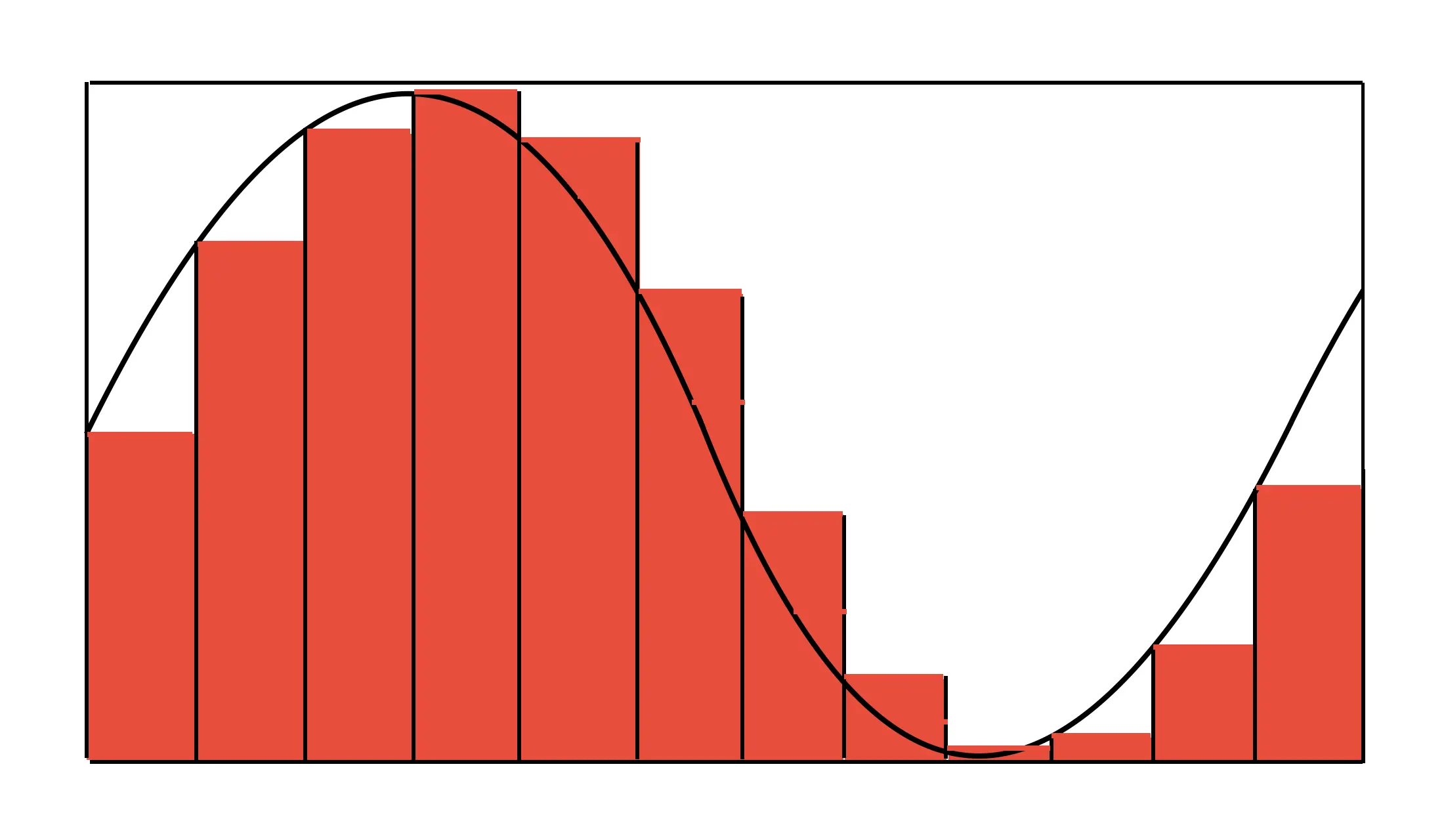
You may have heard about High-Resolution (Hi-Res) Audio, which is sometimes used to describe DSD recordings, but also includes PCM recordings with higher sampling rates and bit resolution than standard CDs. DXD is a type of Hi-Res PCM audio.
What does DXD stand for?
DXD stands for Digital eXtreme Definition, and it is a PCM encoding with extremely high resolution. Specifically, DXD uses at least 24 bit resolution and a sampling rate of at least 352.8 kHz, which is eight times the sampling rate of a standard CD.
Why should you care?
DXD can be used in music production when a recording was originally captured in DSD. Engineers sometimes take these DSD recordings and convert them to DXD for editing, mixing, and mastering. Most digital audio workstations (DAWs) can't work directly with DSD, so this step is often necessary, and can offer the "best of both worlds." The engineer is free to use which ever tools they prefer, while still preserving much of the benefits of a DSD recording. When they're done, the final product can be converted back to DSD.
What does this have to do with Dsd2Dxd?
Dsd2Dxd doesn't only convert DSD to DXD resolutions, but hey, what's in a name? Seriously, though, very few other tools out there will convert from DSD to such high sampling rates and bit resolutions, with as high quality as Dsd2Dxd does. It even outputs up to 768 kHz and 32 bit floating point resolution.
Dsd2Dxd will also convert DSD to PCM with as low as 16 bit resolution and 44.1 kHz sampling rate (CD quality), with excellent results, allowing for other applications like storing on a smartphone, where storage space is limited.
Does DXD have a special file type?
No, DXD really just refers to the bit resolution and sampling rate. So any of the PCM file types listed above can hold DXD-encoded audio.